Understanding Vision Correction and Eye Care
Vision is one of our most precious senses, and maintaining eye health is crucial for overall well-being. With advancements in medical technology, there are innovative options available for vision correction and eye care. Understanding the landscape of eye care can help individuals make informed decisions about maintaining their eye health and correcting vision problems.
What is Vision Correction?
Vision correction refers to medical and optical procedures designed to enhance or restore a person's ability to see clearly. This can include a variety of treatments, from the standard use of eyeglasses and contact lenses to surgical interventions like LASIK or cataract surgery. Depending on the specific vision issue—such as nearsightedness, farsightedness, astigmatism, or presbyopia—different methods of correction may be recommended.
Importance of Eye Care
Regular eye care is vital for maintaining good vision and overall health. Many vision problems develop gradually, and without routine examinations, they may go undetected until they cause significant issues. Eye care encompasses preventive measures, early detection of conditions, and management of existing problems, ultimately aiming to preserve vision and eye health throughout one’s life.
Common Vision Problems and Solutions
- Nearsightedness (Myopia): This condition makes it hard to see objects at a distance. Treatment options include glasses, contact lenses, or refractive surgery.
- Farsightedness (Hyperopia): Difficulty in seeing nearby objects clearly. Similar corrective methods are available as with myopia.
- Astigmatism: An irregular shape of the cornea can cause distorted vision. Contact lenses or glasses can help correct this condition.
- Presbyopia: A natural aging process affecting near vision typically starting in the 40s; bifocals or multifocal lenses may be recommended.
Types of Vision Correction Procedures
Laser Surgery: Benefits and Risks
Laser surgery has revolutionized vision correction, allowing many individuals to achieve their desired vision without glasses or contact lenses. Procedures like LASIK and PRK use advanced laser technology to reshape the cornea, improving how light is focused onto the retina. While the benefits include rapid recovery and minimal discomfort, risks such as dry eyes, glare, and halos exist, making thorough consultations essential.
Contact Lenses vs. Glasses
When choosing between contact lenses and glasses, individual lifestyle, comfort, and convenience play crucial roles. Glasses are easy to wear and require less maintenance, while contact lenses provide a wider field of vision and freedom without frames obstructing peripheral views. Both options have their advantages, and discussing preferences with an eye care practitioner can lead to an informed choice.
Advancements in Lens Technology
Recent developments in lens technology have introduced options such as progressive lenses, which provide a seamless transition between different vision corrections for presbyopia sufferers. Additionally, advanced materials allow for lighter, more durable lenses with enhanced clarity and UV protection. Innovations in daily disposable lenses offer convenience and hygiene, making modern options more appealing than ever.
Choosing the Right Eye Care Practitioner
Qualities of a Good Ophthalmologist
Choosing an ophthalmologist is a crucial step in securing eye health. A good practitioner should have extensive training and experience in diagnosing and treating a range of eye conditions. They should demonstrate excellent communication skills, empathy, and a willingness to explain procedures and options clearly, ensuring patients feel comfortable and informed about their care.
What to Expect from Your Consultation
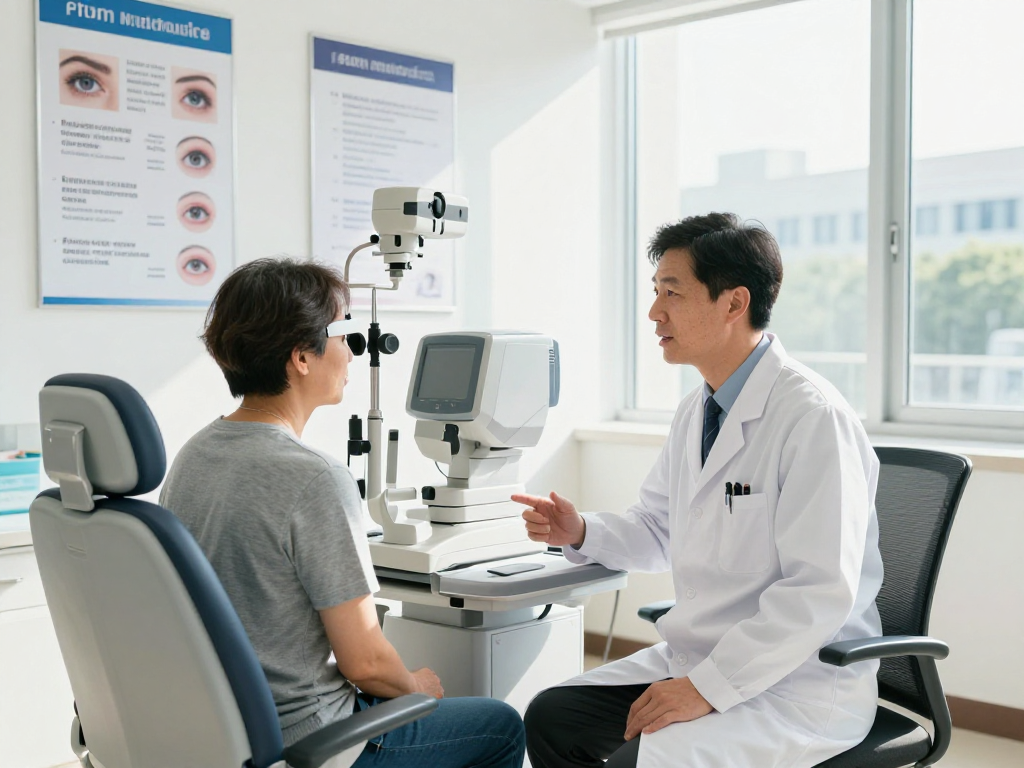
During your initial consultation, expect a comprehensive eye exam that includes visual acuity tests, eye pressure measurements, and an evaluation of your eye's structure. The ophthalmologist will discuss your medical history, current vision issues, and potential treatment options based on your needs.
Questions to Ask Your Eye Care Provider
- What are my options for vision correction?
- What are the risks and benefits of the recommended procedures?
- How should I prepare for treatment?
- What are the expected outcomes, and how long will recovery take?
Maintaining Eye Health: Best Practices
Nutrition and Eye Care
A balanced diet rich in antioxidants, vitamins, and minerals is essential for eye health. Foods containing omega-3 fatty acids, lutein, and vitamins C and E can help protect against age-related eye diseases. Incorporating leafy greens, fish, nuts, and fruits into your diet is beneficial for vision.
Protecting Your Eyes from Digital Strain
In our digital age, many people suffer from digital eye strain caused by prolonged screen usage. To alleviate discomfort, practice the 20-20-20 rule by looking at something 20 feet away for 20 seconds every 20 minutes. Additionally, consider using computer glasses or adjusting screen brightness and contrast for better comfort.
Regular Eye Check-Ups: Why They Matter
Routine eye examinations are crucial for early detection of conditions such as glaucoma, cataracts, and macular degeneration. Even if you don’t have visible symptoms, regular checks can identify problems before they escalate, preserving vision and health.
Future Trends in Vision Correction and Eye Care
Innovations on the Horizon: What to Watch
As we look to the future, exciting advancements in eye care are on the rise. Innovations like smart contact lenses equipped with sensors may allow for real-time monitoring of ocular health, while gene therapy holds the potential to treat inherited vision disorders.
Telemedicine and Eye Care Accessibility
Telemedicine is transforming how patients access eye care, making it more convenient and accessible. Remote consultations and follow-up appointments are becoming standard practice, especially for those in remote areas or with mobility issues, ensuring that expert guidance is just a click away.
Predictions for Eye Health in 2026 and Beyond
As we approach 2026, trends suggest a growing emphasis on personalized eye care tailored to individual genetic profiles and lifestyle factors. Expect more targeted therapies and the integration of artificial intelligence in diagnostics and treatment plans, ultimately leading to enhanced outcomes and patient experiences.
What is the Importance of Regular Eye Examinations?
Regular eye examinations are vital for maintaining eye health and ensuring any developing issues are promptly addressed. These checks serve as a preventive measure, aiding in the timely detection of conditions that could lead to severe vision loss if untreated.
How Can I Tell if I Need Vision Correction?
Signs that you may need vision correction include frequent headaches, difficulty seeing at night, blurred vision, or straining to see objects clearly. If you experience any of these symptoms, it is advisable to schedule an eye examination.
What are the Most Common Eye Conditions?
- Cataracts: A clouding of the eye's natural lens, leading to blurred vision.
- Glaucoma: Increased pressure in the eye can cause damage to the optic nerve, often without symptoms.
- Macular Degeneration: Affects central vision typically due to aging.
- Diabetic Retinopathy: A complication of diabetes affecting blood vessels in the retina.
Is LASIK Safe for Everyone?
While LASIK is a popular and generally safe procedure for vision correction, it is not suitable for everyone. Factors such as age, overall eye health, and the severity of vision problems play significant roles in determining candidacy. A thorough evaluation by an eye care professional is essential to ascertain whether LASIK is the right choice for you.
What are the Latest Technologies in Eye Care?
The eye care industry continues to evolve, incorporating cutting-edge technologies like femtosecond laser technology for precise surgical outcomes and digital imaging techniques for advanced diagnostics. Keeping abreast of these latest advancements can help patients make informed decisions about their eye care options.